Kathmandu Pokhara Road Condition September 2026 | Latest Update
Kathmandu Pokhara Road Condition Update (September 2026): Is It Safe to Travel in Nepal Now?
If you’re planning to travel between Kathmandu and Pokhara, checking the Kathmandu Pokhara road condition before you leave is a smart idea. The Prithvi Highway has experienced serious disruption during Nepal’s 2026 monsoon season, particularly after flooding and river erosion damaged the road at Krishnabhir in Dhading.
The good news is that work to restore the damaged section has progressed quickly. As of September 16, 2026, the Krishnabhir section has been reopened on a limited, trial basis, and authorities have been working toward restoring regular two-way traffic. However, travelers should still expect changing conditions, repair activity and possible delays.
Here is the latest situation, what travelers should know, and how to travel between Kathmandu and Pokhara more safely during the current monsoon recovery period.
Kathmandu Pokhara Road Condition: Latest Update
The Kathmandu–Pokhara route follows the Prithvi Highway, one of Nepal’s most important road connections between the capital and western Nepal. Under normal conditions, the journey takes roughly 6–8 hours, depending on traffic, road conditions and stops.
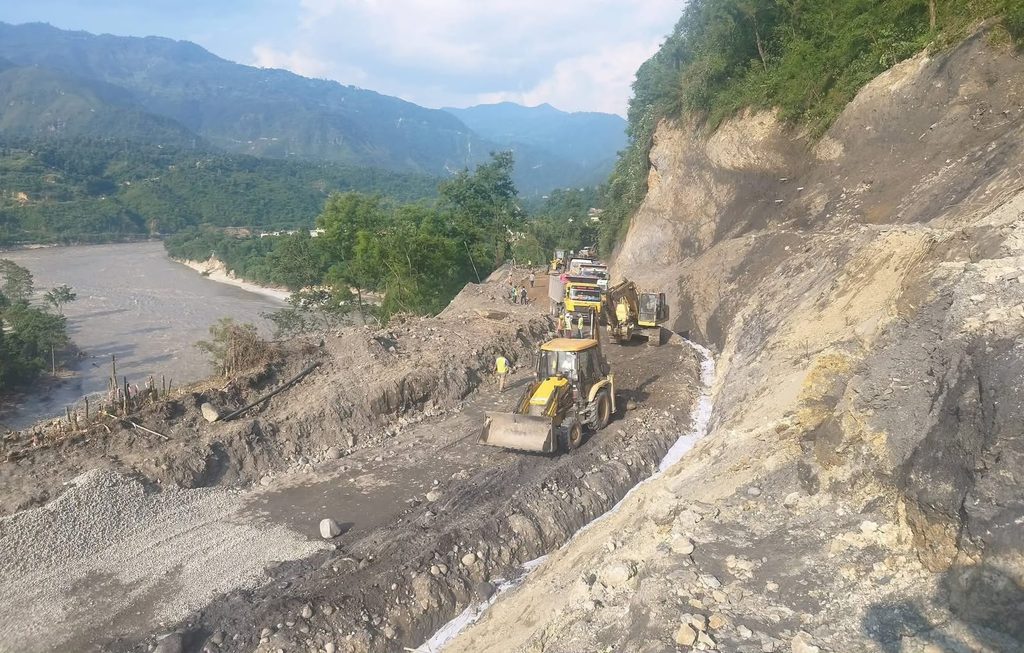
The major recent disruption occurred at Krishnabhir in Dhading, where flooding and river erosion along the Trishuli River undermined the highway and caused a large section of the road to collapse.
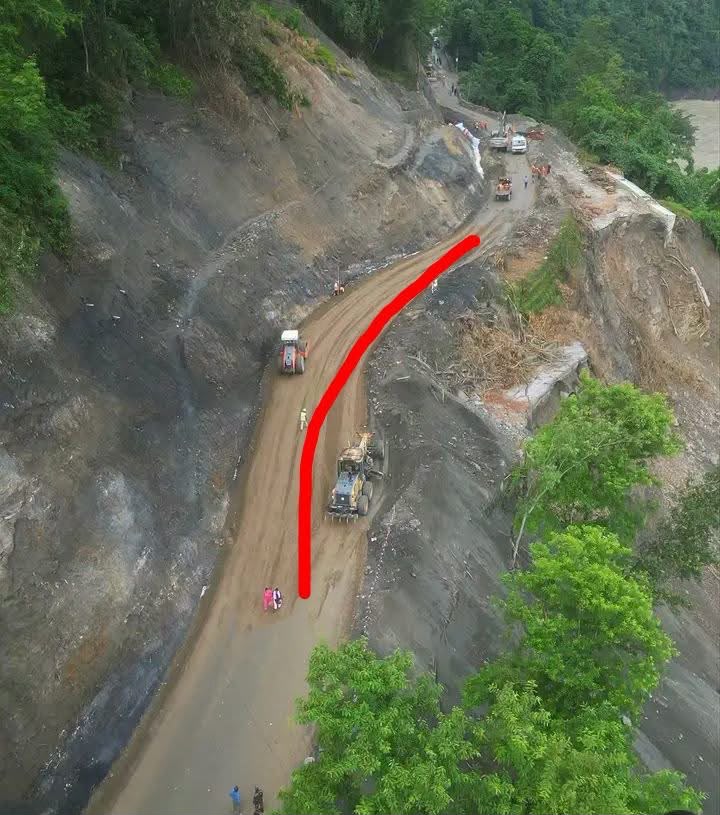
The damaged section had been closed to regular traffic while the Department of Roads worked on a temporary track above the collapsed area.
What is the situation now?
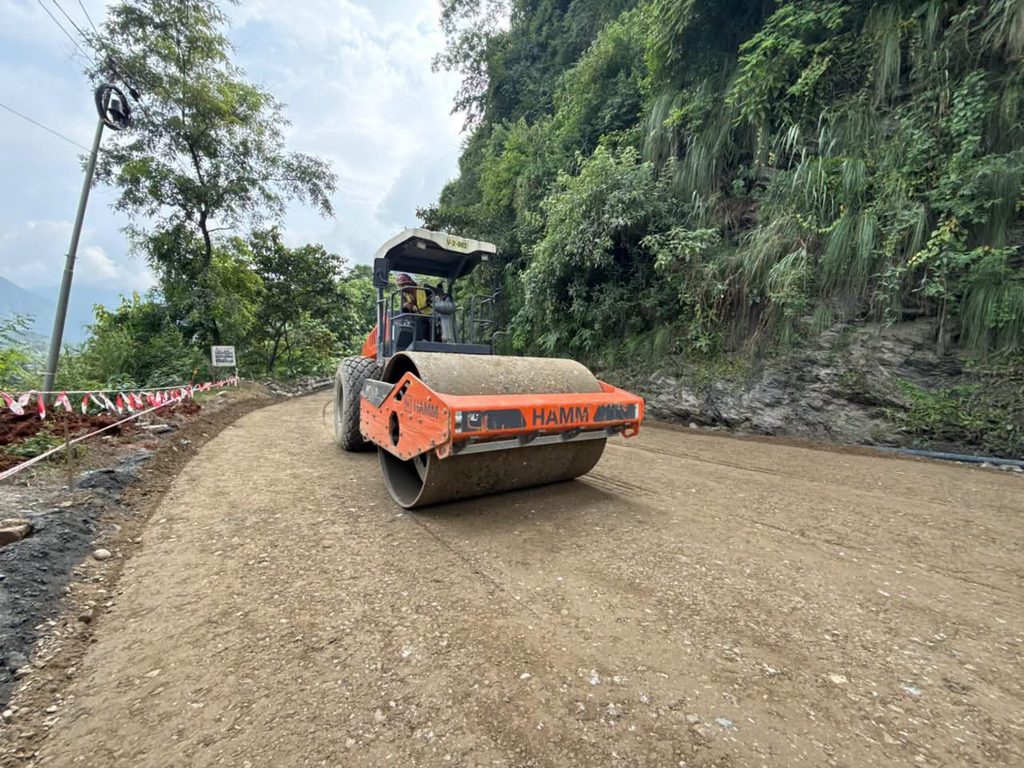
As of September 13, vehicles were able to cross the newly prepared section on a trial basis. Around 20 vehicles, including a gas tanker and heavy vehicles, were used to test the temporary track. Authorities said additional grading, drainage and safety work was still required before regular two-way traffic could resume.
The Department of Roads has targeted the restoration of two-way traffic around September 16, although travelers should treat this as an operational target rather than a guarantee because road conditions can change quickly during the monsoon.
What this means for travelers
The Kathmandu–Pokhara route is becoming more accessible again, but the road should not yet be treated as completely back to normal.
Travelers should be prepared for:
- Temporary traffic controls around damaged sections
- Road construction and grading
- Single-lane or controlled traffic where work continues
- Delays caused by congestion
- Landslides or falling debris after heavy rain
- Sudden changes if weather conditions deteriorate
For anyone traveling in September, checking the road status on the morning of departure remains important.
What Caused the Kathmandu Pokhara Road Disruption?
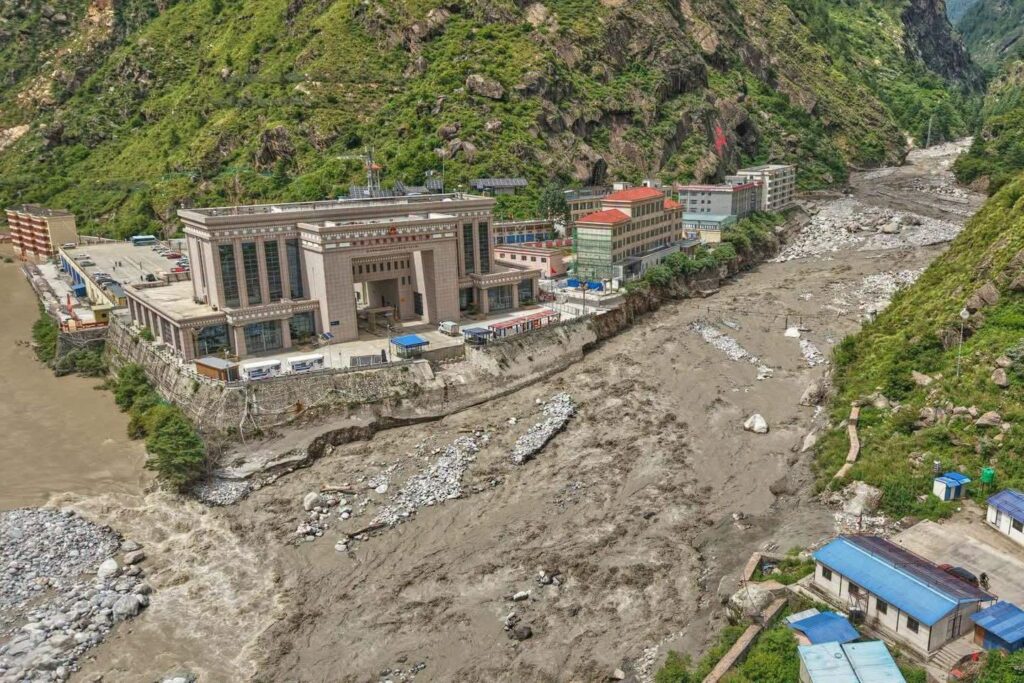
The recent disruption was linked to severe flooding and river erosion following heavy rainfall in Nepal’s Himalayan and hill regions.
At Krishnabhir, the Trishuli River eroded the base of the highway, eventually causing a substantial section of the road to collapse. Reports from early September described the highway as completely blocked at the damaged section while authorities worked to find a temporary solution.
Instead of simply clearing a landslide from the existing road, engineers had to create a new temporary track above the damaged section.
This is why restoring traffic has taken considerably longer than clearing an ordinary landslide.
Why Nepal Road Conditions Can Change Quickly
Travelers unfamiliar with Nepal sometimes expect road conditions to remain the same throughout the day. During the monsoon, that isn’t always the case.
Several factors can affect roads in the hills:
Heavy monsoon rainfall
June to September is Nepal’s monsoon season. Prolonged rainfall can weaken slopes and increase the risk of landslides.
River erosion
Mountain rivers can rise quickly during heavy rainfall. Strong currents can undermine roads from below, as happened around Krishnabhir.
Landslides
Even after a road has reopened, fresh landslides can temporarily block sections farther along the route.
Traffic congestion
The Kathmandu–Pokhara corridor carries a large volume of buses, trucks, private vehicles and other traffic. A small obstruction can therefore create significant delays.
For this reason, a road update from yesterday should not automatically be treated as a guarantee for tomorrow.
Is It Safe to Travel from Kathmandu to Pokhara Now?
Travel between Kathmandu and Pokhara is possible, but travelers should remain cautious and flexible during the current monsoon recovery period.
The reopening of the Krishnabhir section is an important improvement, but repair work and weather-related risks remain.
The safest approach is to:
- Check the road condition immediately before departure.
- Travel during daylight hours.
- Avoid unnecessary travel during heavy rainfall.
- Allow extra time for delays.
- Follow instructions from traffic authorities and transport operators.
- Be prepared to change your route if conditions deteriorate.
The U.S. Embassy in Nepal has also continued to warn travelers about monsoon-related flood and landslide risks and road disruptions in mountainous and hilly areas.
So the question is not simply whether Nepal is “safe” or “unsafe.” Conditions vary by route, weather and timing, and travelers should make decisions based on the latest local information.
Kathmandu to Pokhara by Bus
Tourist buses and other road transport have been significantly affected by the recent Prithvi Highway disruption. During the main closure, many tourist buses were unable to operate normally and travelers shifted toward air travel.
With the Krishnabhir section reopening, road transportation is expected to become more practical again.
If you’re traveling by bus:
- Confirm the route with your bus operator before departure.
- Ask whether the bus will use the normal Prithvi Highway route.
- Expect possible delays while repair work continues.
- Keep some flexibility in your itinerary.
- Avoid scheduling a tight connection immediately after arriving in Pokhara.
Kathmandu to Pokhara by Private Car or Jeep
A private vehicle can be a convenient option because you have more flexibility if traffic is stopped or conditions change.
A local driver who regularly travels the Kathmandu–Pokhara route can also be useful because road conditions and traffic controls can change during the day.
However, a private vehicle does not eliminate landslide or weather-related risks. If authorities restrict a section of road, drivers should follow the official diversion rather than attempting to pass a closed area.
Kathmandu to Pokhara by Motorcycle
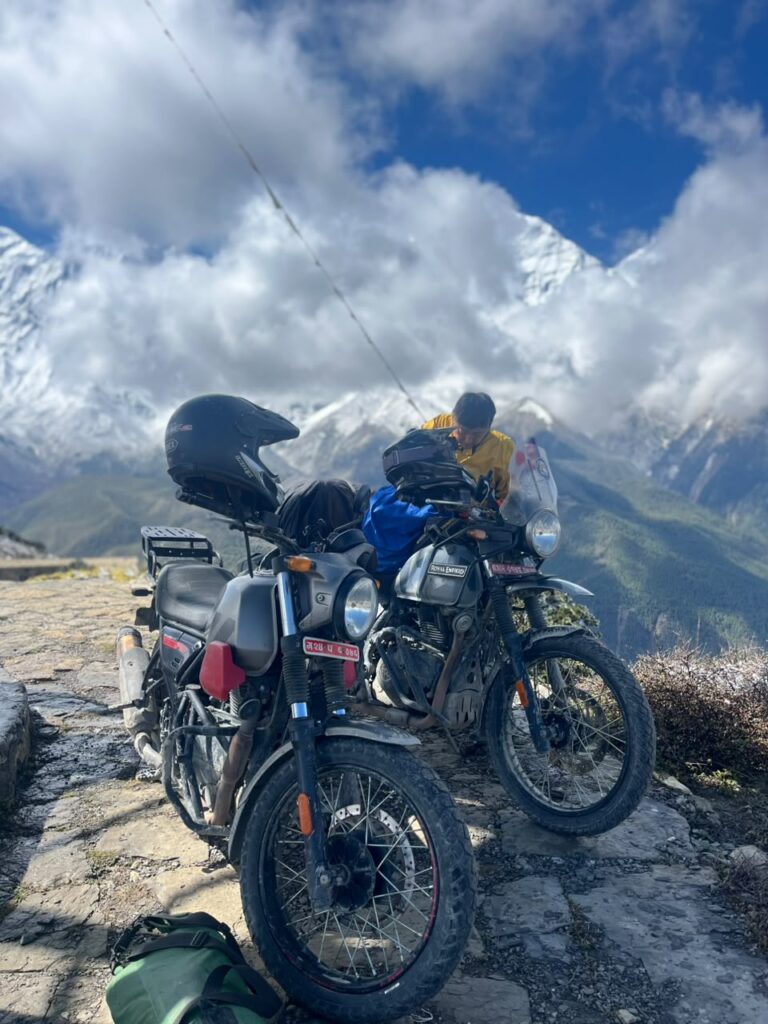
For experienced riders, the Kathmandu–Pokhara route can be an enjoyable motorcycle journey, but September requires additional caution.
Wet roads, mud, loose gravel, construction areas and unexpected landslides can make some sections significantly more difficult for motorcycles.
If you’re riding:
- Start early and aim to complete the route during daylight.
- Avoid riding during heavy rain.
- Check the road condition before leaving.
- Slow down significantly around construction and landslide areas.
- Avoid recently flooded or visibly unstable sections.
- Carry rain protection and basic emergency supplies.
- Do not attempt to cross a closed road or unstable temporary track.
For travelers planning a motorcycle tour in Nepal, route flexibility is particularly important during the monsoon season.
Kathmandu to Pokhara by Flight
Flying is the main alternative when road conditions are uncertain.
Kathmandu–Pokhara flights take approximately 25 minutes, and scheduled services were operating on the route in September 2026.
Flights can be particularly useful when:
- You have a trekking departure from Pokhara.
- You have an international flight connection from Kathmandu.
- Your road journey would create a significant scheduling problem.
- Heavy rain has caused road disruptions.
However, flights can also be affected by weather, so passengers should always confirm their flight status with the airline before traveling.
Kathmandu Pokhara Travel Safety Tips
1. Check the road on the day you travel
Do not rely only on an old social media post or a road update from several days earlier.
Ask your hotel, transport operator, driver or local travel agency for the latest information.
2. Travel during daylight
Daytime travel provides better visibility and generally makes it easier to respond to landslides, construction and traffic restrictions.
3. Allow extra time
During September, avoid planning your itinerary around an exact arrival time. Build a reasonable buffer into your schedule.
4. Avoid heavy rain when possible
If a major storm is affecting the route, delaying your departure can sometimes be safer and more practical than starting the journey immediately.
5. Keep essential items with you
Carry:
- Drinking water
- Snacks
- Power bank
- Phone charger
- Essential medication
- Rain jacket
- Important travel documents
6. Keep your itinerary flexible
If you’re connecting to a trek, tour or international flight, avoid scheduling everything too tightly.
7. Follow official instructions
If authorities close a section of road, do not attempt to bypass barriers or drive through unstable areas.
Best Time to Travel Between Kathmandu and Pokhara
For travelers who have flexibility, the most comfortable road-travel periods are generally outside the peak monsoon season.
October to November
Autumn usually brings more stable weather, clearer mountain views and better trekking conditions.
December to February
The weather is generally drier, although mornings and nights can be cold, particularly at higher elevations.
March to May
Spring offers generally good travel and trekking conditions, with warmer temperatures and blooming rhododendrons in many mountain areas.
June to September
This is the monsoon period, when rain can increase the risk of landslides, flooding and road disruption.
That does not mean you cannot travel during the monsoon. It simply means you should allow more flexibility and check conditions more frequently.
Kathmandu to Pokhara Road Condition: What Travelers Should Expect in September 2026
The current situation is much better than it was during the complete closure of the Krishnabhir section, but travelers should still expect a road that is recovering from significant flood damage.
The temporary track has already been tested by vehicles, and authorities have been working toward restoring two-way traffic.
At the same time, the broader highway remains vulnerable to monsoon-related landslides and disruptions.
Therefore, if you are traveling from Kathmandu to Pokhara in September 2026:
Yes, you can travel — but plan with flexibility.
For a scheduled bus or private vehicle, confirm the latest road situation before departure. If you have an important trekking connection or flight to catch, consider allowing additional time or using a flight between Kathmandu and Pokhara.
Frequently Asked Questions
Is the Kathmandu–Pokhara road open in September 2026?
The Krishnabhir section of the Prithvi Highway has partially reopened after the major flood-related damage. Authorities have been working to restore regular two-way traffic, with September 16–17 targeted for broader reopening. Travelers should confirm the operating status on their departure day.
Is it safe to travel from Kathmandu to Pokhara?
Travel is possible, but monsoon-related landslides, road construction and delays remain possible. Check current conditions before departure and avoid traveling during severe weather.
How long does Kathmandu to Pokhara take by road?
Under normal conditions, the journey commonly takes around 6–8 hours. During periods of road construction, congestion or bad weather, it can take considerably longer.
Is the Prithvi Highway the road from Kathmandu to Pokhara?
Yes. The Prithvi Highway is the main road connection between Kathmandu and Pokhara.
Can I travel from Kathmandu to Pokhara by motorcycle?
Yes, experienced riders can travel the route, but September conditions require additional caution because of rain, mud, roadworks and possible landslides.
Is flying from Kathmandu to Pokhara possible?
Yes. Scheduled Kathmandu–Pokhara flights have been operating in September 2026, with a typical flight time of around 25 minutes.
Should I travel to Pokhara during September?
Travel is possible, but September is still within Nepal’s monsoon period. If you travel during this time, allow extra time, check road conditions and keep your itinerary flexible.
Final Thoughts: Should You Travel from Kathmandu to Pokhara Now?
The Kathmandu Pokhara road condition in September 2026 has improved significantly, particularly with the reopening work at Krishnabhir. However, the route is still recovering from serious flood and erosion damage, and monsoon weather can create new disruptions with little warning.
For most travelers, the best approach is simple: check the road before you leave, travel during daylight, allow extra time and have a backup plan if weather or road conditions change.
If you are traveling to Pokhara for a trek, tour or motorcycle adventure, don’t let one road update determine your entire Nepal itinerary. Your travel plans can often be adjusted depending on the latest conditions.
For the latest information, check with your hotel, transport operator, local authorities or a Nepal-based travel company shortly before departure.
Planning a trek or adventure in Nepal?
Altitude Thrill Adventure Travel is based in Pokhara and can help you plan trekking, tours, motorcycle adventures and customized Nepal trips based on your travel dates and current route conditions.
Plan Your Nepal Adventure →
Road conditions in Nepal can change quickly, particularly during the monsoon season. This article reflects information available around September 16, 2026. Always confirm the latest road and weather conditions before starting your journey.