Annapurna Circuit with Tilicho Lake Trek
Annapurna Circuit with Tilicho Lake: A Complete Trekking Guide
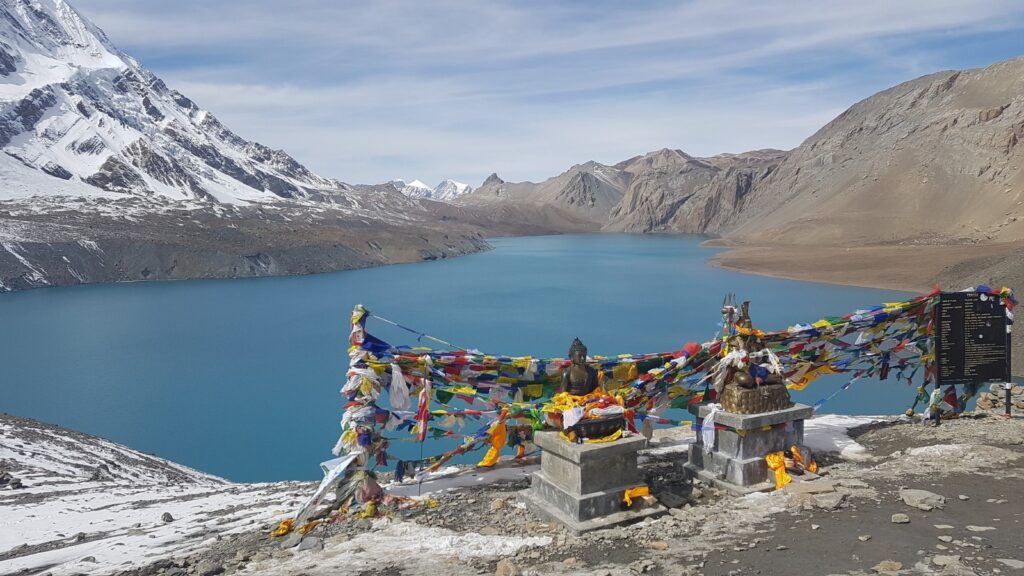
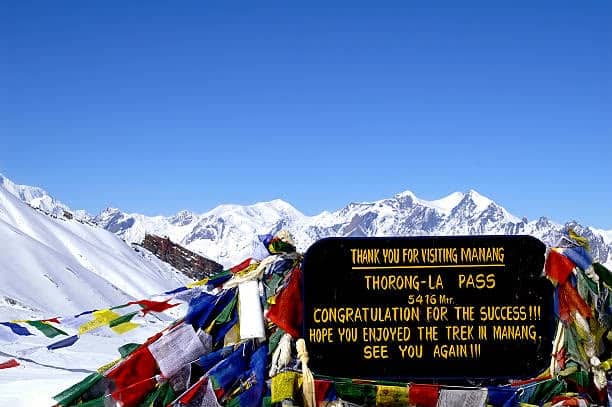
The Annapurna Circuit with Tilicho Lake Trek is one of Nepal’s most rewarding high-altitude trekking adventures. It combines the classic Annapurna Circuit, the dramatic Thorong La Pass at 5,416 meters, traditional Himalayan villages, changing landscapes, and a demanding side trip to Tilicho Lake at about 4,919 meters.
What makes this journey special is the incredible variety. Within a single trek, you can walk through green valleys, pine and rhododendron forests, high mountain villages, dry Himalayan landscapes, and the windswept terrain around Manang and Mustang.
Adding Tilicho Lake makes the adventure longer and more demanding than the standard Annapurna Circuit, but it also adds one of the most memorable experiences of the entire route.
If you are considering the Annapurna Circuit with Tilicho Lake, this guide explains the route, difficulty, altitude, acclimatization, accommodation, food, roads, permits, best seasons, packing list, and practical tips you should know before starting.
Annapurna Circuit with Tilicho Lake at a Glance
| Trek Feature | Details |
|---|---|
| Trek Name | Annapurna Circuit with Tilicho Lake Trek |
| Region | Annapurna, Nepal |
| Starting Point | Besisahar / Kathmandu depending on itinerary |
| Major Highlights | Manang, Tilicho Lake, Thorong La Pass, Muktinath, Jomsom, Marpha |
| Tilicho Lake Elevation | Approximately 4,919 m |
| Thorong La Pass Elevation | 5,416 m |
| Difficulty | Moderate to strenuous |
| Recommended Duration | Around 14–18 trekking days, depending on itinerary |
| Best Seasons | March–May and September–November |
| Accommodation | Tea houses and mountain lodges |
| Highest Point | Thorong La Pass |
| Guide Requirement | Check current regulations and arrange through a registered trekking agency |
The exact itinerary can vary depending on road conditions, acclimatization requirements, transportation, weather, and whether you choose a longer or shorter version of the circuit.
Why Trek the Annapurna Circuit with Tilicho Lake?
The Annapurna Circuit Trek is already famous for its diversity, but Tilicho Lake adds another high-altitude adventure to the journey.
The route takes you from the lower Marsyangdi Valley toward Manang before turning toward Khangsar and Tilicho Base Camp. From there, you climb to Tilicho Lake and return to the main circuit before continuing toward Yak Kharka, Thorong Phedi, and Thorong La Pass.
The experience changes almost every day.
You may start among green hills and agricultural villages and gradually enter a much drier, colder Himalayan environment. By the time you reach the high passes, the landscape feels completely different from the lower valleys.
For many trekkers, the combination of Tilicho Lake and Thorong La Pass is what makes this version of the Annapurna trek particularly memorable.
Annapurna Circuit with Tilicho Lake Route
The traditional Annapurna Circuit begins around Besisahar and follows the Marsyangdi River toward Manang.
A typical route includes:
Besisahar → Dharapani → Chame → Pisang → Manang → Khangsar → Shree Kharka → Tilicho Base Camp → Tilicho Lake → Yak Kharka → Thorong Phedi → Thorong La Pass → Muktinath → Jomsom/Marpha → Pokhara
The exact starting and ending points can change because roads now reach several sections of the Annapurna region.
The classic circuit eventually crosses Thorong La Pass at 5,416 meters before descending toward Muktinath and the Kali Gandaki Valley.
The Nepal Tourism Board describes the Annapurna region as an area of major geographic contrasts, with forests, high Himalaya and the drier trans-Himalayan landscape toward Manang and Mustang.
The Tilicho Lake Side Trip
The Tilicho section normally branches from the main Annapurna Circuit near Manang.
You continue toward:
Manang → Khangsar → Shree Kharka → Tilicho Base Camp → Tilicho Lake
The trail becomes more demanding as you approach Tilicho Base Camp. The route includes steep and exposed terrain, and conditions can change depending on weather and trail damage.
From Tilicho Base Camp, the climb to the lake is steep and physically demanding because of the altitude.
After visiting the lake, trekkers normally return toward the main circuit and continue toward Yak Kharka and Thorong Phedi.
The Tilicho route should not be treated as a casual sightseeing side trip. It is a high-altitude trek in its own right.
How Difficult Is the Annapurna Circuit with Tilicho Lake?
The Annapurna Circuit with Tilicho Lake is a moderate-to-strenuous trek.
The trail itself does not normally require technical climbing equipment, ropes, or mountaineering skills. However, the combination of long walking days, altitude, steep ascents and descents, changing weather, and difficult terrain makes it physically demanding.
There are four main challenges.
1. High Altitude
Altitude is the biggest concern.
You will spend several nights above 3,000 meters and eventually cross Thorong La at more than 5,400 meters.
Fitness is important, but being fit does not completely protect you from altitude sickness.
The safest approach is gradual acclimatization, sensible walking speeds, plenty of fluids, and paying attention to symptoms.
2. Long Walking Days
Most trekking days involve approximately five to seven hours of walking, although some days can be longer.
The Tilicho Lake day and Thorong La crossing can feel particularly demanding.
The second week of a trek can also be physically challenging because fatigue accumulates.
3. Difficult Tilicho Terrain
The trail between Shree Kharka and Tilicho Base Camp includes steep slopes and sections where rockfall or landslides can affect the path.
Trail conditions can change, so local information is important.
Starting early is generally sensible because weather and wind conditions can deteriorate later in the day.
4. Weather
Mountain weather can change quickly.
A clear morning does not guarantee a comfortable afternoon. Wind, cold temperatures, snow, rain and poor visibility can affect high-altitude sections.
Always allow some flexibility in your itinerary.
Acclimatization on the Annapurna Circuit
Good acclimatization is one of the most important parts of an Annapurna Circuit itinerary.
Manang is the natural acclimatization point on the route. Instead of treating the rest day as a wasted day, use it to explore the surrounding area and allow your body to adjust to the elevation.
Popular acclimatization activities around Manang include walking toward Gangapurna Lake and exploring the surrounding viewpoints and villages.
A useful principle is:
Climb high during the day and sleep lower whenever practical.
Do not ignore symptoms of altitude sickness.
Possible symptoms include:
- Persistent headache
- Nausea
- Dizziness
- Unusual tiredness
- Loss of appetite
- Difficulty sleeping
- Shortness of breath
If symptoms become worse, continuing upward is not the solution. Descending to a lower elevation may be necessary.
Nepal Tourism Board also warns trekkers about acute mountain sickness above 3,000 meters and recommends appropriate safety precautions at high altitude.
Roads on the Annapurna Circuit: What Should Trekkers Expect?
One of the biggest changes to the Annapurna Circuit over the years has been the expansion of roads.
Older trekking guides often describe the entire journey as a remote walking trail. Today, vehicles reach many parts of the Annapurna region.
This has both advantages and disadvantages.
The advantage
Road transport can save several days of walking on sections where the trail closely follows the road.
It can also provide an easier way to leave the mountains after completing the trek.
The disadvantage
Some sections of the traditional trail now share space with jeeps and road traffic.
Dust can also become an issue during dry periods.
For a better trekking experience, many hikers choose to use transport strategically while walking the sections that offer the best scenery and traditional trail experience.
The upper route around Pisang, Ghyaru and Ngawal is particularly attractive for trekkers who want more mountain scenery and traditional villages.
Road conditions can change because of landslides, construction and weather, so always check the latest local conditions before relying on a particular vehicle route.
Tea Houses and Accommodation on the Annapurna Circuit
Accommodation on the Annapurna Circuit with Tilicho Lake is generally based around locally operated tea houses and mountain lodges.
Do not expect luxury hotels in the high mountains.
Instead, expect simple and comfortable accommodation such as:
- Twin-sharing rooms
- Basic mattresses and blankets
- Shared bathrooms in many locations
- Dining rooms heated by a stove
- Hot showers for an additional charge
- Wi-Fi in some lodges
- Charging facilities for phones and cameras
The quality of accommodation varies depending on the village and altitude.
In places such as Chame, Pisang and Manang, there are generally more choices.
Higher sections such as Shree Kharka, Tilicho Base Camp, Thorong Phedi and High Camp are more basic.
During the busiest trekking months, especially October and November, accommodation around Thorong Phedi and High Camp can become crowded.
A warm sleeping bag is therefore a very useful item to carry.
Food on the Annapurna Circuit and Tilicho Lake Trek
Food is an important part of trekking in Nepal, and the Annapurna region has a surprisingly wide range of meals.
Dal Bhat
Dal bhat is the classic Nepali trekking meal.
It normally includes:
- Rice
- Lentil soup
- Vegetable curry
- Pickles
- Seasonal vegetables
It is filling, familiar and a reliable source of energy during long trekking days.
Noodles, Soups and Momos
You will find noodles, fried rice, momos and soups in many tea houses.
Garlic soup is also commonly chosen by trekkers at higher elevations.
Western Food
Most established tea houses also offer meals such as:
- Pasta
- Pancakes
- Porridge
- Eggs
- Fried potatoes
- Pizza
- Sandwiches
Manang is particularly popular for its bakeries and cafés.
Apples and Local Products
Once you reach the Kali Gandaki side, apples become an important part of the local food culture.
Marpha is particularly well known for apples and apple-based products.
Food and Water Tips
At high altitude:
- Drink plenty of safe water.
- Carry purification tablets or a reliable filter.
- Eat freshly cooked meals.
- Carry snacks such as chocolate, nuts and energy bars.
- Avoid relying heavily on meat at remote high-altitude lodges.
- Eat enough carbohydrates to support long walking days.
Food and accommodation costs generally increase with altitude because supplies are more difficult to transport.
Annapurna Circuit Permits and TIMS
Permits and trekking regulations can change, so this is one area where you should always confirm the current requirements before departure.
The Annapurna region requires an Annapurna Conservation Area entry permit, and current Nepal Tourism Board information also lists the Annapurna Circuit and Mesokanto/Tilicho routes among trekking routes requiring a licensed guide and TIMS through a registered trekking agency.
The current Nepal Tourism Board information lists the Annapurna Conservation Area entry fee for foreign visitors at NPR 2,000 per person, while the current TIMS information lists NPR 2,000 for non-SAARC trekkers and NPR 1,000 for SAARC trekkers. Always confirm the current fees when booking because regulations and charges can change.
Do You Need a Guide?
For the current Annapurna trekking regulations, trekkers should plan their journey with a licensed trekking guide and a registered trekking agency.
There is also a practical reason for having a guide on the Tilicho section.
A knowledgeable local guide can help with:
- Trail conditions
- Weather decisions
- Altitude management
- Accommodation
- Route changes
- Local transportation
- Emergency situations
For a high-altitude trek combining Tilicho Lake and Thorong La, professional support can make the journey safer and more enjoyable.
Travel Insurance for the Annapurna Circuit
Travel insurance is strongly recommended for this trek.
Choose a policy that specifically covers:
- High-altitude trekking
- Emergency medical treatment
- Helicopter evacuation
- Trip interruption
- Lost or delayed baggage
Do not assume that a normal travel insurance policy automatically covers trekking above 5,000 meters.
Read the policy conditions carefully before travelling.
Best Time for Annapurna Circuit with Tilicho Lake
The best time for the Annapurna Circuit and Tilicho Lake Trek is generally during the spring and autumn trekking seasons.
March to May
Spring brings warmer temperatures and beautiful landscapes.
Lower elevations can have blooming rhododendrons, while the higher mountains remain covered in snow.
March, April and May can be excellent months for trekking, although conditions become warmer as the season progresses.
September to November
Autumn is one of the most popular periods for trekking in the Annapurna region.
You can often expect:
- Clear mountain views
- Stable weather
- Comfortable daytime temperatures
- Excellent visibility
October and November are particularly popular, so accommodation and guides can be busy.
December to February
Winter brings colder temperatures and a higher possibility of snow around high passes.
Thorong La and the Tilicho route can become difficult or temporarily inaccessible during heavy snowfall.
Experienced trekkers may still enjoy winter, but it requires more preparation and flexibility.
June to August
Monsoon brings heavy rainfall to much of Nepal.
The upper Manang and Mustang areas are relatively drier because they sit in the Himalayan rain shadow, but landslides, muddy trails and road disruptions can still affect travel.
For most trekkers, spring and autumn remain the easiest seasons to recommend.
The Nepal Tourism Board currently identifies March–May and September–November as the best seasons for the Annapurna Conservation Area.
What to Pack for Annapurna Circuit with Tilicho Lake
Packing correctly can make a major difference.
You do not need to carry your entire house on your back, but you do need to prepare for changing temperatures.
Essential Clothing
- Thermal base layers
- Fleece or warm mid-layer
- Down jacket
- Waterproof rain jacket
- Trekking trousers
- Warm hat
- Gloves
- Comfortable trekking socks
- Sunglasses
- Sun hat
Trekking Equipment
- Broken-in trekking boots
- Trekking poles
- Sleeping bag
- Headlamp
- Water bottles
- Water purification tablets or filter
- Sunscreen
- Personal first-aid supplies
- Basic toiletries
- Power bank
- Offline maps
Important High-Altitude Items
A warm sleeping bag and good sun protection become increasingly important as you approach Tilicho Lake and Thorong La.
Do not buy expensive technical gear simply because it looks impressive. Prioritize equipment that is reliable, comfortable and appropriate for the conditions you will actually face.
Staying Connected During the Trek
Mobile phone coverage is available in parts of the Annapurna region, but connectivity becomes less reliable as you move into higher and more remote areas.
Wi-Fi is available at many tea houses, although it can be slow and usually costs extra.
Before leaving Kathmandu or Pokhara:
- Download offline maps.
- Save important contact numbers.
- Tell family members that connectivity may disappear temporarily.
- Carry a power bank.
- Keep digital copies of important travel documents.
A day or two without reliable internet should not be considered unusual on a Himalayan trek.
Annapurna Circuit with Tilicho Lake: How Many Days Do You Need?
There is no single perfect itinerary.
A comfortable Annapurna Circuit with Tilicho Lake itinerary usually requires around 14 to 18 trekking days, depending on where you start, how much road transport you use, your acclimatization plan, and where you finish.
If you try to make the trek significantly shorter, you may reduce your flexibility and increase the pressure on your acclimatization schedule.
For a high-altitude trek, having an extra day available is often much more valuable than trying to save one day.
Your itinerary should have enough flexibility for:
- Weather delays
- Road disruptions
- Acclimatization
- Trail conditions
- Unexpected fatigue
Is Annapurna Circuit with Tilicho Lake Suitable for Beginners?
A reasonably fit beginner can prepare for and complete the trek, but it should not be treated as an easy beginner trek.
The main challenge is not technical climbing. It is the combination of:
distance + altitude + long walking days + changing weather + steep terrain.
If you are new to high-altitude trekking, working with an experienced guide and choosing a gradual itinerary is strongly recommended.
Start training several weeks or months before the trek.
Useful preparation includes:
- Long-distance walking
- Hiking uphill
- Stair training
- Strength training
- Cardiovascular exercise
- Practising with your trekking boots
- Walking with a loaded daypack
Annapurna Circuit vs Annapurna Circuit with Tilicho Lake
The standard Annapurna Circuit Trek already offers an extraordinary Himalayan experience.
Adding Tilicho Lake makes the journey:
- Longer
- More physically demanding
- More varied
- Higher in terms of additional trekking terrain
- More rewarding for trekkers who want an extra challenge
If you have enough time and enjoy challenging side trips, Tilicho Lake is an excellent addition.
If you have limited time or prefer a simpler itinerary, the standard Annapurna Circuit may be a better choice.
For travelers looking for a shorter Annapurna experience, the Annapurna Base Camp Trek or Ghorepani Poon Hill Trek may be more suitable alternatives.
Why the Annapurna Circuit with Tilicho Lake Is Worth It
The Annapurna Circuit is not only about reaching a high pass or taking photographs beside a lake.
It is about the gradual transformation of the landscape.
You begin among green hills and rivers.
Then the valley becomes narrower.
Forests give way to rocky mountain slopes.
The air becomes colder.
Villages become smaller.
The mountains become closer.
And eventually, you find yourself standing beside the turquoise waters of Tilicho Lake or looking across the Himalayas from Thorong La.
That progression is what makes the journey special.
Final Thoughts
The Annapurna Circuit with Tilicho Lake Trek is demanding, but it is also one of the most rewarding trekking experiences in Nepal.
The key is not to rush.
Give your body time to acclimatize. Start early on difficult days. Listen to your guide and local information. Keep some flexibility in your itinerary. Eat properly, drink enough water and respect changing mountain conditions.
Most importantly, remember that the Himalayas will still be there if you need to slow down.
A successful trek is not simply about reaching Tilicho Lake or crossing Thorong La.
It is about reaching the end safely, experiencing the villages and mountains along the way, and returning home with memories that last far longer than the trek itself.
If you are planning your Annapurna Circuit with Tilicho Lake Trek, our team at Altitude Thrill Adventure Travel can help you plan the route, permits, accommodation, transportation, guide and trekking logistics according to your available time and experience.
Frequently Asked Questions About Annapurna Circuit with Tilicho Lake
How difficult is the Annapurna Circuit with Tilicho Lake?
The Annapurna Circuit with Tilicho Lake is a moderate-to-strenuous high-altitude trek. The main challenges are altitude, long walking days, steep terrain, weather and the demanding Tilicho Lake section.
How high is Tilicho Lake?
Tilicho Lake is approximately 4,919 meters above sea level. It is one of the major high-altitude highlights of the Annapurna region.
How high is Thorong La Pass?
Thorong La Pass is approximately 5,416 meters (17,769 feet) above sea level and is the highest point of the classic Annapurna Circuit.
How many days do you need for Annapurna Circuit with Tilicho Lake?
A comfortable itinerary generally takes around 14–18 trekking days, although the total duration depends on the starting point, transportation, acclimatization schedule and finishing point.
What is the best time for Annapurna Circuit with Tilicho Lake?
The best seasons are generally spring (March–May) and autumn (September–November). October and November are particularly popular because of generally stable conditions and clear mountain views.
Do I need a guide for the Annapurna Circuit with Tilicho Lake?
Current Nepal Tourism Board guidance lists the Annapurna Circuit and Mesokanto/Tilicho routes among routes requiring a licensed trekking guide and TIMS through a registered trekking agency. Always confirm the latest requirements before departure.
Is Tilicho Lake harder than the Annapurna Circuit?
The Tilicho Lake section adds extra altitude gain, steep terrain and additional walking to the standard circuit. For many trekkers, it is one of the more physically demanding parts of the journey.
Can beginners do the Annapurna Circuit with Tilicho Lake?
Fit and well-prepared beginners can attempt the trek, but it is not an easy introductory hike. Beginners should allow adequate acclimatization and strongly consider trekking with an experienced guide.
Is there accommodation on the Tilicho Lake route?
Yes. Tea houses and basic lodges operate along the route, including around Shree Kharka and Tilicho Base Camp. Facilities become simpler at higher elevations and availability can be limited during peak trekking seasons.
Is there Wi-Fi and mobile network on the Annapurna Circuit?
Wi-Fi is available at many tea houses but can be slow and usually costs extra. Mobile connectivity is available in some areas but becomes less reliable in higher and remote sections.
What should I pack for Tilicho Lake?
Important items include warm layers, a down jacket, waterproof jacket, trekking boots, trekking poles, sleeping bag, gloves, hat, sunglasses, sunscreen, water purification, headlamp, first-aid supplies and a power bank.
Is travel insurance necessary for the Annapurna Circuit?
Travel insurance is strongly recommended. Choose a policy that specifically covers high-altitude trekking, medical emergencies and helicopter evacuation at the elevations included in your itinerary.