How to Choose the Right Trek in Nepal in 2026: Local Expert Guide
How to Choose the Right Trek in Nepal in 2026: From a Local Trekking Expert
I’ve been guiding trekkers in Nepal for some time now, and one thing I’ve noticed is that the most famous trek isn’t always the right trek.
I hear this from travelers quite often. They arrive in Nepal knowing they want to see the Himalayas, but they haven’t always decided which trek is right for them. Some have dreamed about reaching Everest Base Camp for years. Others have seen photographs of Annapurna, Manaslu, or Upper Mustang and can’t decide which one they want to experience.
I understand the dilemma.
Nepal has a huge number of trekking routes. Some take only a few days and involve walking between traditional mountain villages, while others take several weeks and cross high mountain passes. What you experience depends a lot on where you go and what you are looking for.
So when people ask me, “What’s the best trek in Nepal?”, my answer is always simple.
There isn’t one best trek. There is the best trek for you.
Your fitness, experience with altitude, available time, interests, and the season you plan to travel all matter.
This is something I pay close attention to at Altitude Thrill Adventure. Choosing the right trek is more important than simply choosing a trek, and getting the details right can make a huge difference to your experience.
If you’re planning on trekking in Nepal in 2026, here’s how I’d approach choosing the right one.
Start With Your Ability, Not the Name of the Trek
Let’s start with a simple piece of advice: don’t choose a trek purely because it is famous.
Everest Base Camp has an incredible reputation, but that doesn’t mean it is automatically the right choice for your first Himalayan trek.
When I think about the difficulty of a trek, I normally look at three things:
- How many hours you will walk each day
- How much elevation you gain during the trek
- The altitude at which you will sleep
All three matter.
A trek with fewer kilometers can sometimes feel harder than a longer trek if you are gaining altitude quickly. Likewise, a long walking day at a lower elevation may be easier for some trekkers than a shorter day at high altitude.
As a rough guide, I would divide Nepal’s trekking routes into four broad categories.
Easy Treks
These generally take around 3–6 days, with roughly 4–5 hours of walking per day and overnight stays below 3,500 meters.
Good examples include the Ghandruk Trek and Poon Hill Trek.
These are excellent choices if you have limited time but still want to experience Himalayan villages, mountain scenery, and the local way of life without committing to a long high-altitude journey.
Moderate Treks
Moderate treks usually take around 7–12 days, with some longer walking days and overnight stays around 4,000–4,500 meters.
Examples include:
- Annapurna Base Camp
- Langtang Valley
- Mardi Himal
For many travelers, these offer a good balance between physical challenge and overall experience, provided the itinerary is planned properly.
Challenging Treks
These generally take 12–16 days and involve longer walking days, higher overnight elevations, and often one or more passes above 5,000 meters.
Examples include:
- Everest Base Camp
- Annapurna Circuit
- Gokyo Lakes
- Everest Three Passes
These routes require better physical preparation and, more importantly, careful attention to altitude.
Demanding and Remote Treks
Then there are the longer and more remote adventures.
These can take 16 days or more, involve restricted areas, longer walking days, less infrastructure, and high passes above 5,000 meters.
Examples include:
- Upper Mustang
- Manaslu Circuit
- Kanchenjunga
- Upper Dolpo
These aren’t simply longer versions of popular treks. They are a different type of Himalayan experience because of their remoteness, terrain, altitude, and logistics.
If this is your first Himalayan trek, don’t feel that you need to choose the hardest route to make your trip worthwhile.
In fact, I often think a moderate trek can be a better introduction. It lets you understand how your body responds to several consecutive days of walking and gives you a better idea of what you enjoy about trekking.
Altitude Is What You Really Need to Think About
One of the most common questions I hear before people come to Nepal is:
“How many kilometers do we walk every day?”
That’s a good question. But I usually follow it with another one:
“How high are we going?”
Once you get above roughly 2,500–3,000 meters, your body has to adapt to lower air pressure and less available oxygen. Going up too quickly can increase the risk of altitude sickness.
This is why I don’t recommend judging a trek simply by the number of kilometers you walk each day.
Some popular trekking destinations reach approximately these elevations:
- Poon Hill: 3,210 m
- Annapurna Base Camp: 4,130 m
- Langtang: around 3,700–4,500 m depending on the itinerary
- Gokyo Ri: 5,357 m
- Everest Base Camp: 5,364 m
- Thorong La: over 5,400 m
Some remote routes go even higher.
But the highest point isn’t the only thing that matters.
How high you sleep and how quickly you reach that altitude are both important.
A sensible itinerary gives your body enough time to adjust, particularly once you are trekking above 3,000 meters.
This is also where an experienced guide can make a real difference. A good guide doesn’t just know the trail. They watch how you are doing, understand the local conditions, and can help you make sensible decisions when something isn’t going according to plan.
I’ve always believed that a good trekking itinerary needs some flexibility.
The mountain doesn’t care how quickly you want to get somewhere.
Your body does.
Choose a Trek That Fits Your Holiday
Another mistake I often see is trying to fit too much into too little time.
If you have eight days in Nepal, trying to squeeze a two-week trek into those eight days won’t make your holiday better. It will probably make the whole experience feel rushed.
Remember that your Nepal holiday includes more than the days you spend walking.
You need to think about travel to and from Kathmandu or Pokhara, acclimatization, rest, and possible weather delays.
This is particularly important for the Everest region, where weather can affect flights between Kathmandu and Lukla.
As a general guide:
- Under 1 week: Poon Hill, Ghandruk, or Mardi Himal
- 10–14 days: Everest Base Camp, Annapurna Base Camp, Langtang, or Gokyo Lakes
- 15–20+ days: Annapurna Circuit, Manaslu Circuit, or Upper Mustang
- 3+ weeks: Upper Dolpo, Kanchenjunga, or longer combination treks
And there is one thing I strongly recommend: don’t remove acclimatization days just to make a trek fit your schedule.
If you don’t have enough time for a particular trek, choose another one.
A shorter trek with a sensible itinerary will usually give you a much better experience than a longer trek that has been squeezed into an unrealistic schedule.
Think About the Experience You Want
Once you’ve considered your fitness and the amount of time you have, there is another question that matters just as much:
What kind of experience do you actually want?
Different trekking regions of Nepal have very different characters.
Finding the Best Trek in Nepal for Your Ability
Everest Region
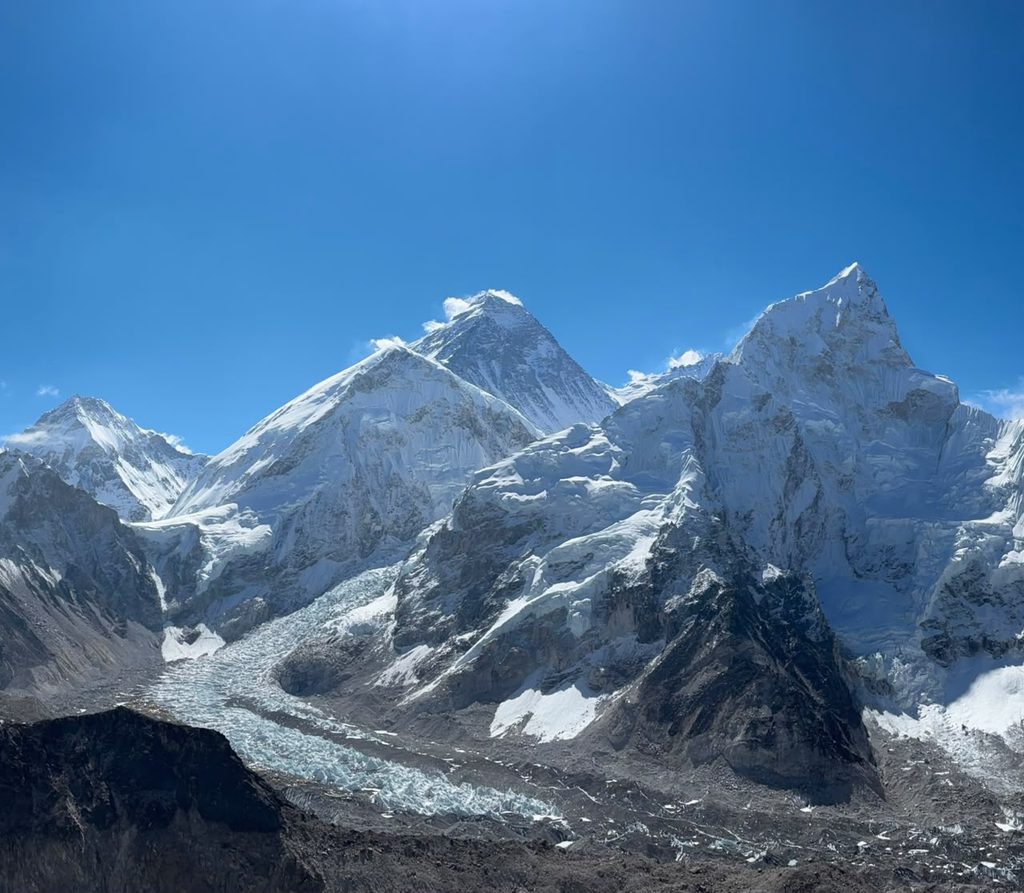
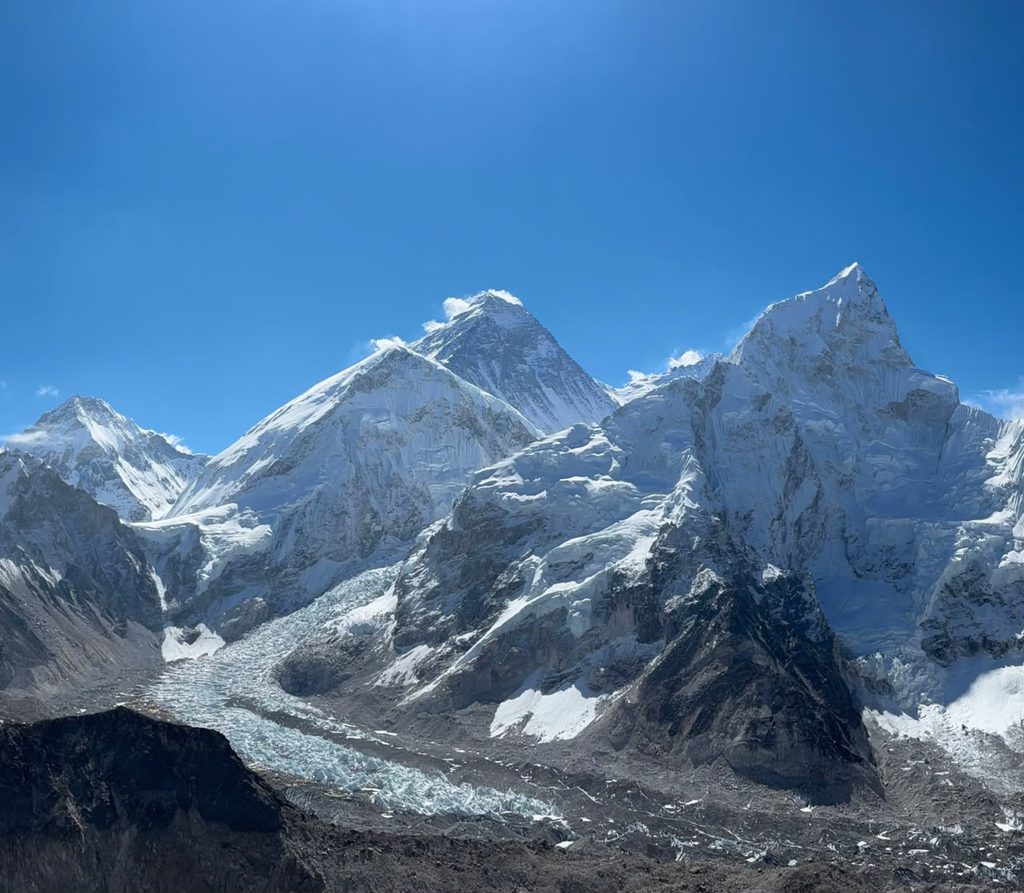
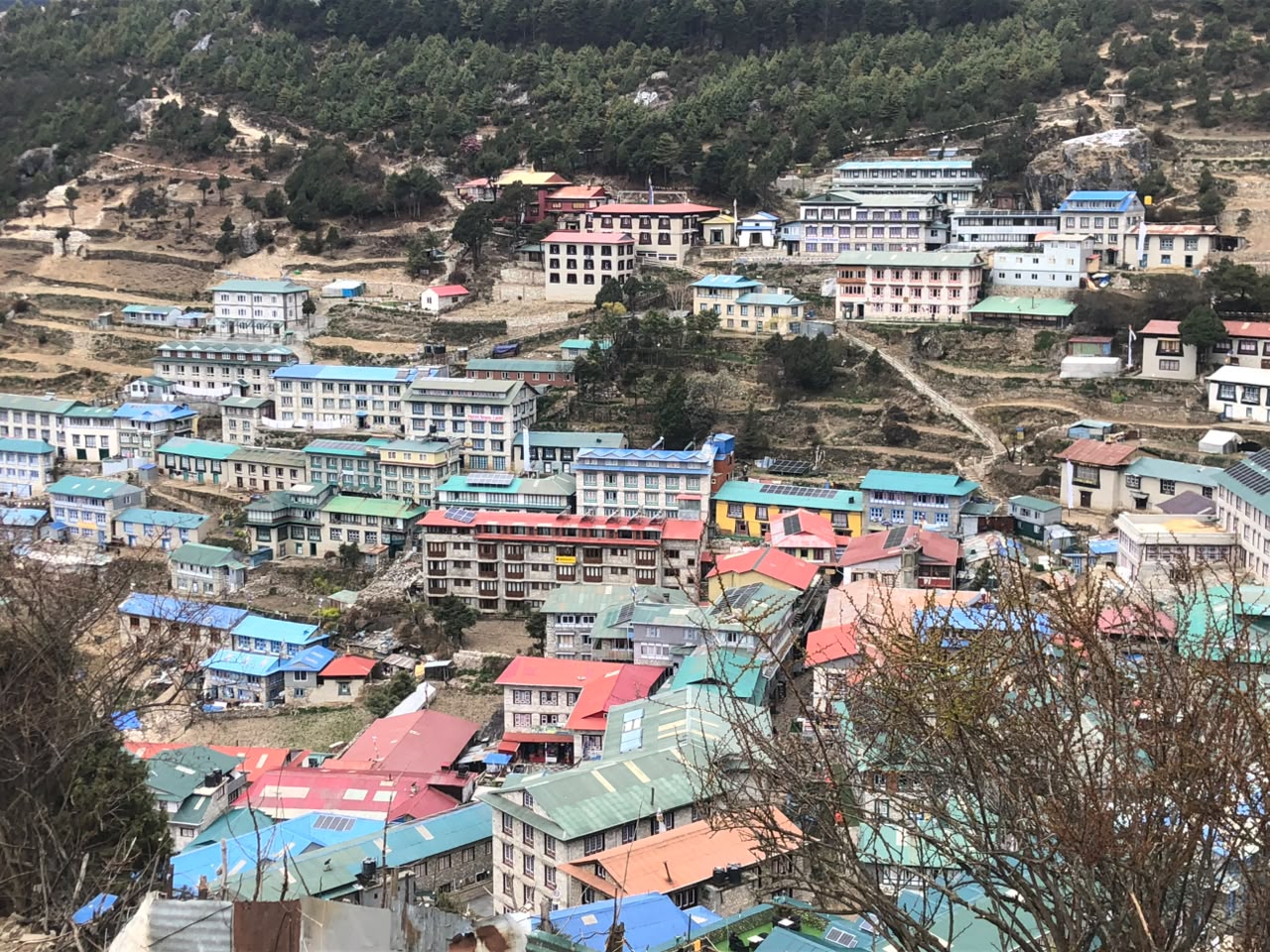
If your dream is to walk through traditional Sherpa villages, visit Buddhist monasteries, and see some of the world’s highest mountains, the Everest region is difficult to beat.
The Khumbu has a special atmosphere. The mountains are obviously a huge part of the experience, but so are the villages, people, monasteries, and Sherpa culture.
The popular trails can become busy during peak seasons, but that doesn’t take away from what makes the region special.
www.ntnc.org.np
Annapurna Region
For travelers who want variety, I often recommend the Annapurna region.
You can begin among green hills and traditional villages and gradually find yourself surrounded by enormous Himalayan peaks.
Annapurna Base Camp takes you into a spectacular natural amphitheater, while the Annapurna Circuit crosses Thorong La and takes you into a dramatically different landscape on the other side of the pass.
There is a lot of variety here, which is one of the reasons the region remains so popular.
Langtang Valley
If you want something closer to Kathmandu and generally quieter than the busiest Everest and Annapurna routes, Langtang is worth considering.
The valley offers beautiful Himalayan scenery, traditional villages, and a more peaceful trekking experience.
It also makes sense for travelers who don’t want to spend too much of their limited holiday time simply getting to the trailhead.
Gokyo Lakes
If mountain scenery is high on your list, Gokyo is a fantastic option.
The turquoise glacial lakes are beautiful, but for many trekkers, the real highlight is climbing Gokyo Ri and seeing the surrounding Himalayan giants from above.
It is a very different experience from simply following the standard Everest Base Camp route.
Manaslu Circuit
For a more remote experience without going quite as far into the wilderness as Upper Dolpo, the Manaslu Circuit is an excellent choice.
The route passes through traditional mountain villages, dramatic landscapes, and eventually crosses the high Larkya La.
There are generally fewer trekkers than on the most popular Everest routes, while the scenery and cultural experience remain exceptional.
For many travelers, Manaslu sits somewhere between the established trekking regions and the truly remote Himalayan wilderness.
Upper Mustang
Upper Mustang feels very different from the green Himalayan landscapes many people imagine when they first think about Nepal.
Here you’ll find dry valleys, dramatic cliffs, ancient settlements, caves, and a strong Tibetan Buddhist influence.
The landscape can feel almost otherworldly.
Because Upper Mustang lies in the Himalayan rain shadow, it is also one of the better-known options for travelers who want a Himalayan experience during the monsoon season.
Kanchenjunga and Upper Dolpo
For trekkers looking for a serious wilderness adventure, Kanchenjunga and Upper Dolpo are among the most demanding trekking regions in Nepal.
They require more time, stronger preparation, and careful acclimatization. But for those willing to make that commitment, the reward is an experience that feels far removed from the busy trekking routes.
You don’t choose these places because they are the most famous.
You choose them because you want something more remote and are prepared to put in the effort to reach it.
The Time of Year You Visit Matters
Where you trek is important, but when you trek can be just as important.
Spring: March to May
Spring is a beautiful season for trekking in Nepal.
The weather becomes warmer, rhododendrons bloom at lower and middle elevations, and mountain views are often excellent.
Mornings are generally ideal for walking before clouds begin to build later in the day.
Autumn: September to November
Autumn is widely considered one of the best seasons for trekking in Nepal.
After the monsoon, the skies are often clear and the mountain views can be spectacular.
There is a trade-off, though. Good weather also means more people on the trails.
Winter: December to February
Winter brings cold temperatures, particularly at higher elevations, but that doesn’t mean trekking is impossible.
Lower-altitude routes such as Poon Hill, Ghandruk, and parts of the Annapurna region can still be excellent choices.
One advantage of winter is quieter trails.
There is something special about standing outside a mountain village early in the morning when the surroundings are quiet and the only sound might be a distant cowbell.
Monsoon: June to August
The monsoon brings rain, muddy trails, leeches, and cloudy mountain views to many parts of Nepal.
But it doesn’t mean the entire country is off-limits for trekking.
Upper Mustang and Upper Dolpo are located in the Himalayan rain shadow and receive considerably less monsoon rainfall than many other trekking areas.
So if your holiday dates fall between June and August, don’t automatically cancel your trekking plans. There may be another region that suits your dates much better.
Permits and Guides: What Trekkers Should Know in 2026
Nepal’s trekking regulations can change, so it is important to check the latest requirements before starting your trip.
Permit requirements vary depending on the trekking region. Depending on your route, you may need a conservation-area permit, national-park permit, or a Restricted Area Permit.
Routes such as Upper Mustang, Manaslu, Nar Phu, Kanchenjunga, and Dolpo have additional permit requirements.
The exact rules, fees, and documentation requirements can change, so don’t rely on information you found online several years ago.
Check the current requirements before you travel.
When it comes to guides, I personally recommend thinking of one as part of the trek rather than simply an additional service.
There are the legal requirements to consider, but there is also safety and experience.
Mountain weather can change quickly. Trails can be difficult. Altitude affects everyone differently.
A good local guide brings years of experience that you simply cannot get from reading a guidebook.
And there is a big difference between a guide who simply shows you the way and one who is actually paying attention to you.
Ask Yourself These Questions Before You Book
Before booking a trek in Nepal, I recommend asking yourself a few honest questions.
How much experience do I have with altitude?
If you’ve never been above 4,000 meters, it may not be wise to make an extreme high-altitude trek your first Himalayan experience.
On the other hand, if you’ve already spent time at high altitude and understand how your body reacts, you may be ready for something more demanding.
There is no prize for going higher than you are prepared for.
How do I feel about crowds?
Some people enjoy meeting other trekkers from around the world. Sitting around the dining-room stove in the evening and hearing stories from people from different countries can become part of the adventure.
Other people prefer quieter trails and fewer people.
If you’re in the second group, routes such as Langtang or Manaslu, or traveling during the shoulder seasons, may suit you better.
What matters more to me: the destination or the journey?
Some people have one goal in mind. They want to stand at Everest Base Camp, cross Thorong La, or reach a particular viewpoint.
Others remember the journey more than the destination — the villages, meals, conversations, landscapes, and people they met along the way.
Neither approach is wrong.
But it helps to know what you want from your trek before choosing the route.
What is my fitness really like right now?
Be honest with yourself.
Being fit at the gym is not necessarily the same as being prepared for several consecutive days of walking in the mountains with a backpack.
If you have several weeks or months before your trek, use that time to prepare.
Your legs will thank you later.
A Few Practical Things I Always Tell My Trekkers
These might sound like small things, but they can make a surprisingly big difference.
Allow a few extra days
If possible, don’t schedule an international flight immediately after your trek or mountain flight.
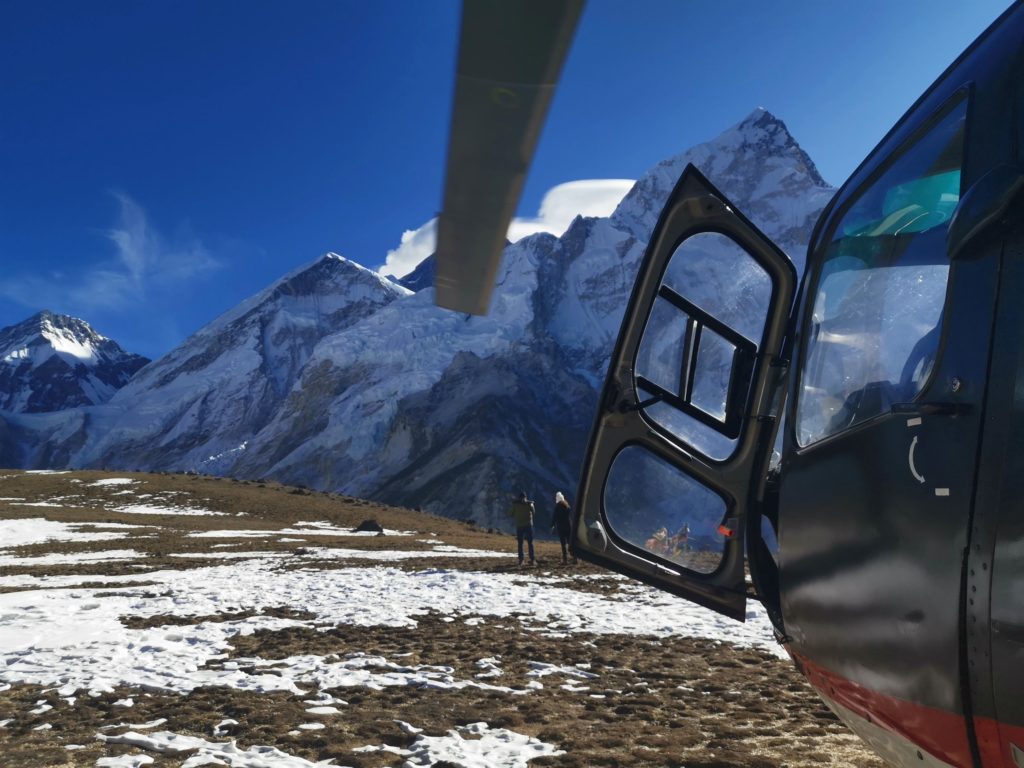
Weather delays can happen, particularly around Lukla.
Having a little extra time gives you breathing room.
Break in your trekking boots
Don’t buy new boots a few days before arriving in Nepal and expect them to be comfortable.
Wear them beforehand.
A blister on day two of a trek is not a good way to start a Himalayan adventure.
Check your insurance carefully
Make sure your travel insurance covers the altitude of the trek you are planning.
Also check whether helicopter evacuation is covered if it becomes necessary.
Some policies have surprisingly low altitude limits.
Learn how to use layers
Mountain weather can change quickly.
You might be walking in warm sunshine in the afternoon and waking up to freezing temperatures the next morning.
Good layering makes it much easier to adjust.
Talk to your guide
If you’re tired, feeling sick, struggling with altitude, or simply don’t feel right, tell your guide.
There is absolutely no shame in saying that you are struggling.
A trekking itinerary is not a competition.
The Bottom Line
After years of guiding trekkers in Nepal, I’ve had countless conversations about which trek is the “best.”
My answer remains the same:
The best trek is the one that is right for you.
Your fitness, altitude experience, available time, tolerance for busy trails, interests, and the type of landscape you want to experience should all be considered before you make your decision.
At Altitude Thrill Adventure, this is where we start when we talk to a trekker. Before discussing permits, accommodation, transportation, or prices, we want to understand the person who will actually be walking the trail.
Because the itinerary should fit the trekker — not the other way around.
Maybe your idea of the perfect Himalayan adventure is walking through a few quiet mountain villages.
Maybe you’ve dreamed about standing at Everest Base Camp.
Maybe you want to cross Thorong La, explore the landscapes of Upper Mustang, or spend several weeks in the remote wilderness of Dolpo.
Whatever your idea of the Himalayas looks like, Nepal has a trek for you.
You don’t have to choose the hardest trek.
You don’t have to choose the most famous trek.
You just need to choose the trek that’s right for you.
And the mountains will still be here when you’re ready.
Plan Your Himalayan Adventure With Altitude Thrill Adventure
Not sure which Nepal trek is right for you?
Talk to our team at Altitude Thrill Adventure Travel and tell us about your available time, fitness level, travel season, and what you want to experience in the Himalayas.
We’ll help you choose a trek that makes sense for you, not simply the trek everyone else is booking.
Start planning your Nepal trekking adventure today.